In heater manufacturing process, the heating film lamination process is a critical technique and plays an important role. This process involves bonding multiple layers—such as conductive traces, and insulating materials—under controlled conditions of temperature, pressure, and time. Proper lamination ensures that the resulting heating film performs efficiently, distributes heat evenly, and maintains long-term reliability.
In this blog post, we’ll walk through the heating film lamination process, and the critical factors that influence the quality of the final product.

The lamination process serves several essential purposes in the production of heating films:
1. Bonding Layers: It tightly binds various layers ensuring a solid and reliable structure.
2. Efficient Heat Transfer: It helps conductive layers and heating elements are in good contact, maximizing heat distribution and efficiency.
3. Avoiding Defects: By eliminating air bubbles or voids between layers, it prevents hot spots or weak points that could lead to system breakdowns.
4. Dimensional Control: Proper lamination maintains consistent thickness and form, which is crucial for uniform heating and product consistency.
5. Creating Uniform Heating: Perfectly lamination makes the film generate even, reliable heat across the entire surface.
Here’s an overview of a typical heating film structure, which consists of multiple layers that each play an essential role in ensuring both performance and safety:

Each of these layers serves a distinct function, such as heat generation, electricity conduction, and insulation. The key to the lamination process is ensuring that these layers adhere securely without gaps, ensuring uniform heat distribution.
1. Materials preparation
The materials must be clean and free of contamination (like dust or oil) before proceeding to the next step.


2. Layer Alignment & Stacking
Once the materials are prepared, they are stacked in a precise order according to the design specifications. This step ensures that each layer is properly aligned and ready for lamination.
3. Lamination
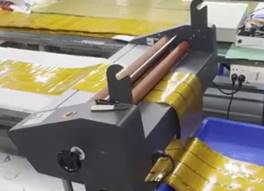
This is where the actual bonding occurs. The stacked layers are placed into a hot press or lamination machine.
The heating film lamination process is critical to producing high-quality heating films that offer consistent performance, reliability, and durability. By carefully controlling temperature, pressure, time, and cleanliness, manufacturers can create efficient heating films that perform well over a long period.
If you’re developing a heating film for applications such as PI/PET/silicone-based heaters, optimizing the lamination process will be crucial to achieving excellent results. Have any questions or want advice on customizing the lamination process for your project? Feel free to reach out!
 Recommend
 Contact Us
+86 (755) 2909-1601
sales@best-heaters.com
5F, Bld7, Hengmingzhu Technology Industry Park, Xingqiao Tongfuyu Industry Zone, Gonghe, Shajing Town, Baoan District, Shenzhen,China
Simply drop your email or phone number in the contact form, and we'll promptly reply you shortly.